



Rebuild Your Foundation for Better Health
The pelvic floor is the foundation of your core, supporting your bladder, uterus, and rectum while playing a critical role in bladder control, sexual function, and overall stability. At Wellness MediCenter in Allentown, PA, we understand that pelvic floor weakness can affect every aspect of your life, from physical comfort to emotional well-being. Whether your symptoms are mild or severe, effective, non-invasive treatment options are available. With Emsella Treatmen, we can help you strengthen your pelvic floor and restore your quality of life.
Your pelvic floor is the invisible hammock of your core; rebuilding this foundation is the key to internal stability and reclaiming total control over your daily life.
Wellness MediCenter proudly serves Bethlehem, Easton, Whitehall Twp, Emmaus, Macungie, and surrounding communities throughout Lehigh County, Northampton County, and Berks County. Our team is dedicated to providing compassionate, evidence-based care that addresses the root causes of pelvic floor weakness and helps you feel strong and confident.

Understanding Pelvic Floor Weakness
The pelvic floor is a group of muscles that stretch like a hammock from the pubic bone to the tailbone. These muscles support the pelvic organs, control the release of urine and stool, and contribute to sexual function and core stability. Pelvic floor weakness occurs when these muscles become stretched, damaged, or lose their tone, leading to a range of symptoms and complications.
Pelvic floor weakness can result from a variety of factors, including pregnancy and childbirth, aging, hormonal changes, chronic coughing, obesity, and pelvic surgery. Women who have given birth, especially those who have had multiple vaginal deliveries, are at higher risk for pelvic floor weakness due to the stretching and trauma that can occur during labor and delivery. Menopause can also contribute to pelvic floor weakness, as declining estrogen levels can lead to a loss of muscle tone and elasticity.
Pelvic floor weakness is not always immediately apparent, and symptoms can develop gradually over time. Some women may not realize they have pelvic floor weakness until they experience symptoms such as incontinence, pelvic pressure, or discomfort during sexual activity. Early intervention is key to preventing long-term complications and improving overall pelvic health.
Common Symptoms of Pelvic Floor Weakness
Pelvic floor weakness can present with a range of symptoms, including:
- Leakage of urine during physical activity, coughing, sneezing, or laughing.
- A sudden, intense urge to urinate or difficulty controlling the bladder.
- A feeling of heaviness, pressure, or bulging in the pelvic area.
- Difficulty emptying the bladder or bowel completely.
- Pain or discomfort during sexual activity.
- Reduced sensation or satisfaction during intercourse.
- Lower back pain or pelvic pain that worsens with prolonged standing or activity.
If you are experiencing any of these symptoms, it is important to seek help. Pelvic floor weakness is a treatable condition, and early intervention can help prevent more serious complications such as pelvic organ prolapse.
How Pelvic Floor Weakness Affects Daily Life in Allentown, PA
For women in Allentown and throughout Lehigh County, pelvic floor weakness can have a significant impact on daily life. Many women find themselves avoiding activities they once enjoyed, such as exercise, hiking, or playing with their children or grandchildren. The fear of leakage or discomfort can lead to social isolation and a reduced quality of life.
Pelvic floor weakness can also affect intimacy and relationships. Many women report feeling self-conscious during sexual activity, which can strain emotional and physical connections with their partners. The constant feeling of pelvic pressure or discomfort can be physically and emotionally draining, affecting your ability to focus at work, engage with family and friends, and enjoy the activities you love.
It is important to recognize that pelvic floor weakness is a medical condition, not a personal failing. With the right treatment and support, you can rebuild your pelvic floor strength and regain your confidence.
Treatment Approaches for Pelvic Floor Weakness
Traditional treatment approaches for pelvic floor weakness include pelvic floor exercises (Kegels), pelvic floor physical therapy, and lifestyle modifications. Kegel exercises can be effective for strengthening the pelvic floor, but they require proper technique and consistency, which many women find challenging to maintain. Pelvic floor physical therapy can provide personalized guidance and support, helping you learn how to properly engage and strengthen your pelvic floor muscles.
In some cases, more invasive treatments such as pessaries (devices inserted into the vagina to support the pelvic organs) or surgery may be recommended for severe pelvic floor dysfunction or pelvic organ prolapse. However, many women are seeking non-invasive alternatives that offer effective results without the need for surgery or prolonged recovery time.
How Emsella Helps with Pelvic Floor Weakness in Allentown, PA
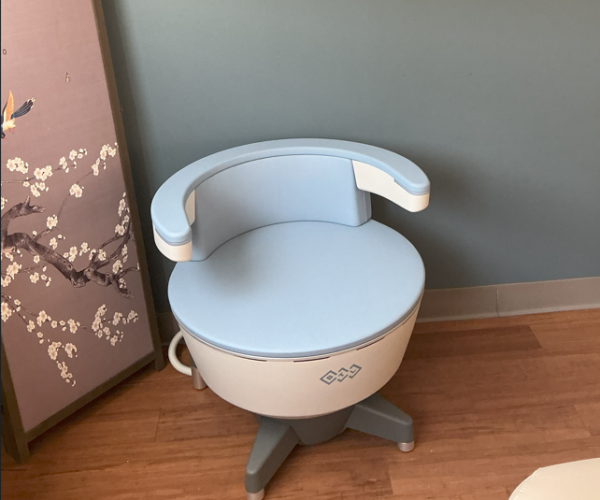
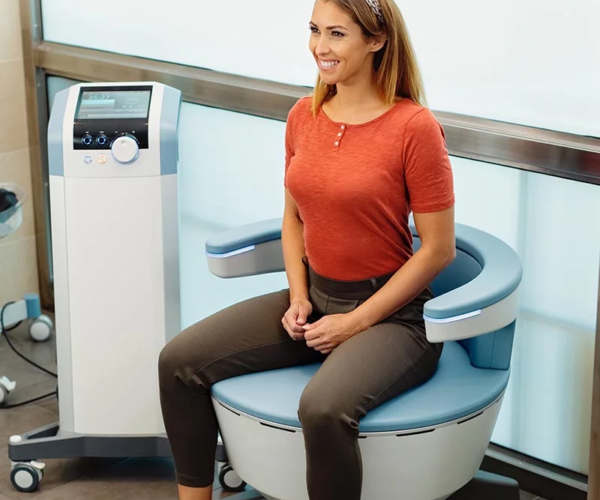
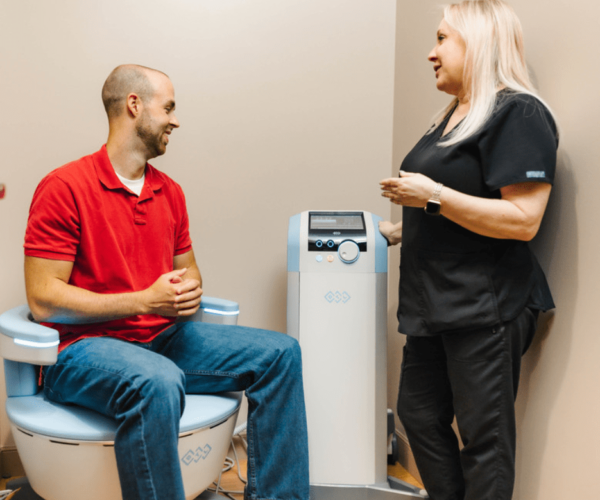
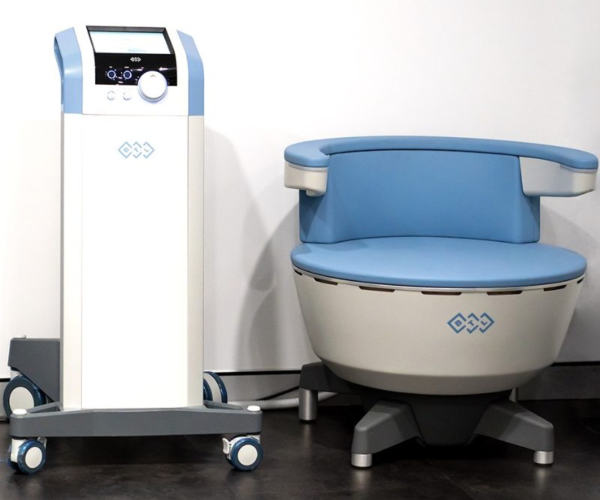
Emsella is an FDA-approved, non-invasive treatment that offers a breakthrough solution for pelvic floor weakness. Using high-intensity focused electromagnetic (HIFEM) technology, Emsella delivers thousands of supramaximal pelvic floor muscle contractions in a single 28-minute session. These contractions strengthen the pelvic floor muscles and improve neuromuscular control, addressing the root cause of pelvic floor weakness.
Unlike Kegel exercises, which rely on voluntary muscle contractions, Emsella induces contractions that are far more intense and sustained than what you could achieve on your own. Over the course of six sessions, your pelvic floor muscles undergo a comprehensive reconditioning process, resulting in improved strength, stability, and function.
Clinical studies have shown that Emsella can significantly improve pelvic floor function and reduce symptoms such as incontinence, pelvic pressure, and discomfort. The treatment is comfortable, requires no downtime, and fits seamlessly into your busy schedule. For women in Bethlehem, Whitehall Twp, and surrounding areas, Emsella offers a practical, effective solution that delivers real results.
Other Integrative Treatments at Wellness MediCenter
In addition to Emsella, Wellness MediCenter offers a range of complementary treatments to support pelvic health and overall wellness. Pelvic floor physical therapy can help you learn proper muscle coordination and strengthen your pelvic floor through targeted exercises. Hormone therapy may be beneficial for women experiencing pelvic floor weakness related to menopausal changes. Our team will work with you to develop a comprehensive care plan that addresses your unique needs and goals.
Why Choose Wellness MediCenter for Pelvic Floor Weakness in Allentown, PA
At Wellness MediCenter, we are committed to providing compassionate, patient-centered care that addresses the whole person, not just the symptoms. We understand that pelvic floor weakness can be a sensitive and personal issue, and we create a safe, welcoming environment where you can discuss your concerns openly and receive the support you deserve.
Our team is dedicated to staying current with the latest research and technology to ensure you receive the highest standard of care. We take the time to listen to your story, understand your goals, and develop a personalized treatment plan that aligns with your needs and lifestyle. Whether you are a new mother, an active woman in midlife, or someone navigating the changes of menopause, we are here to help you feel strong, healthy, and empowered.
Who Can Benefit from Emsella for Pelvic Floor Weakness?
Emsella is an excellent option for women who are experiencing symptoms of pelvic floor weakness, including incontinence, pelvic pressure, or discomfort during sexual activity. It is particularly beneficial for those who have not responded well to traditional pelvic floor exercises, those who struggle with the consistency required for Kegels, or anyone seeking a non-invasive alternative to surgery. If you are experiencing pelvic floor weakness and are looking for a safe, effective solution, Emsella may be right for you.
Your Initial Consultation at Wellness MediCenter
Your journey toward better pelvic health begins with a comprehensive consultation atWellness MediCenter in Allentown, PA. During this visit, we will discuss your symptoms, medical history, and treatment goals. We will also perform a brief assessment to evaluate your pelvic floor function and determine whether Emsella is the right fit for your needs.
This is your opportunity to ask questions, share your concerns, and learn more about what to expect from treatment. We believe that informed patients are empowered patients, and we are committed to providing you with all the information you need to make confident decisions about your care.
Begin Your Journey to Pelvic Floor Strength
If you are ready to take the first step toward rebuilding your pelvic floor strength and reclaiming your confidence, we invite you to schedule a consultation at Wellness MediCenter. Our team is here to support you with compassionate care, advanced technology, and a commitment to your long-term wellness. Contact us today to learn more about Emsella treatment and discover how we can help you strengthen your pelvic floor.
Frequently Asked Questions About Pelvic Floor Weakness
What causes pelvic floor weakness?
Pelvic floor weakness can result from pregnancy and childbirth, aging, hormonal changes, chronic coughing, obesity, and pelvic surgery. Women who have given birth or are going through menopause are at higher risk.
Can pelvic floor weakness lead to other complications?
Yes, untreated pelvic floor weakness can lead to complications such as pelvic organ prolapse, chronic incontinence, and sexual dysfunction. Early intervention is key to preventing these complications.
How is pelvic floor weakness diagnosed?
Pelvic floor weakness is typically diagnosed through a physical examination and a discussion of your symptoms and medical history. Your provider may also perform a pelvic floor assessment to evaluate muscle strength and function.
How long does it take to see results from Emsella?
Many patients notice improvements after just two to four sessions, with optimal results typically appearing four to six weeks after completing the full treatment course.
Is Emsella safe?
Yes, Emsella is an FDA-approved treatment with minimal risks and side effects. Most patients tolerate the treatment well and experience no adverse effects.
Will I need maintenance sessions?
Maintenance sessions, typically scheduled every six to twelve months, can help sustain and extend your results over time. Your provider will discuss a maintenance plan based on your individual needs.

Sexual Wellness & Intimacy in Allentown,.
Rediscover Pleasure, Connection, and Confidence Sexual wellness is an essential component of overall health and quality of life, yet many.
Read More
Postpartum Incontinence & Pelvic Floor Recovery.
Restore Your Strength and Confidence After Childbirth Pregnancy and childbirth are transformative experiences, but they can also take a significant.
Read More